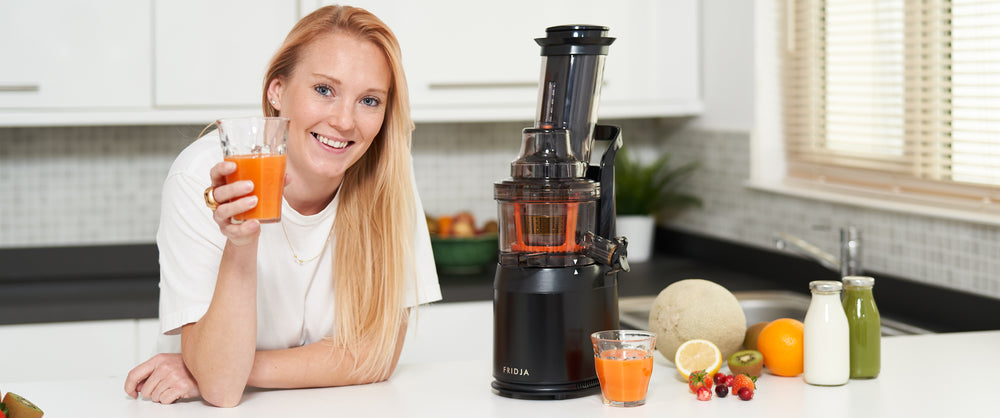


If your juicer is brilliant at breakfast but a pain by the sink ten minutes later, the cleaning routine is usually the reason. Knowing how to clean a slow juicer properly makes the difference between using it every day and leaving it in the cupboard for weeks. The good news is that it should not be a big job, as long as you do it straight away and in the right order. Done like that, most people are finished in about five minutes.
Slow juicers, also called masticating juicers, press ingredients gently. That is great for juice quality and less foam, but it also means fibrous pulp, sticky fruit residue and fine strands of veg can settle into filters, spouts and seals. Leave that too long and everything gets harder to shift. Clean it straight after use and the whole process is quick and tidy.
How to clean a slow juicer without wasting time
The easiest way to keep a slow juicer clean is to stop residue drying in the first place. Once you have poured your juice, switch the machine off, unplug it and take it apart while everything is still damp. This matters more than any cleaning product. Dried beetroot, celery fibre and ginger pulp are far more stubborn than fresh residue.
Start by emptying the pulp container and rinsing each removable part under warm water. A quick rinse before you scrub stops you pushing sticky bits deeper into the filter. If your model has a reverse function, running it briefly before you switch off can help release trapped fibres and make the auger easier to remove.
Most slow juicers come apart into the same core pieces: pusher, hopper or feeding chute, auger, strainer or filter, juice bowl, pulp container and juice jug. Treat the filter as the part that needs the most attention. Everything else is usually simple unless pulp has worked its way into corners or silicone seals.
Use warm water, a soft sponge or cloth, and a proper cleaning brush. Fridja sells a dedicated juicer cleaning brush with a flat scraping edge for the filter, and a soft washing-up brush also works well. You want enough friction to lift residue, not so much force that you damage fine mesh or scratch clear plastic parts.
The best order to clean each part
Cleaning in the right sequence keeps the job fast. Rinse large pieces first, then tackle the fiddly parts, then wipe the base unit last. Do it the other way round and you tend to drip pulp and juice over surfaces you have already cleaned.
Filter and strainer
This is where most of the cleaning time goes. Hold the filter under warm running water and brush from both the inside and the outside, so fibres move out of the mesh rather than being pushed further in. Turn it as you work and look for darker patches where pulp is still lodged.
If the mesh still looks blocked, soak it for five to ten minutes in warm water with a little washing-up liquid. That is usually enough. For more stubborn residue, especially from leafy greens or carrot, brush it again after soaking rather than reaching for anything abrasive.
Auger
The auger often looks cleaner than it is. Juice residue can cling around the ridges, tip and base, particularly after soft fruit. Wash along the grooves with a sponge or brush and check the underside, where pulp can collect unnoticed.
Juice bowl, lids and spouts
These parts can trap pulp in channels, silicone flaps and around the juice outlet. Open any caps or stoppers and rinse through them properly. If your juicer has an anti-drip spout, clean underneath it rather than just wiping the visible area. This is one of the first places where a stale juice smell can develop.
Silicone seals and small parts
If the seals are removable, take them out now and then for a proper rinse. Tiny pieces are easy to ignore, but they are often where residue sits longest. You do not need to remove them after every use, but if you notice build-up, cloudy residue or a smell, it is worth doing.
Motor base
Never put the motor base in water. Wipe it with a damp cloth and dry it straight away. If juice has dripped into creases or around buttons, use a soft cloth or cotton bud to clean it carefully.
When a quick rinse is not enough
Sometimes your usual rinse and brush will not cut it. That is common if the juicer was left unwashed for a few hours, or after very fibrous produce such as celery, fennel, pineapple or spinach. In those cases, a short soak saves time overall.
Warm, soapy water is normally all you need. Let the removable parts sit for a few minutes, then clean them with a brush. If smells linger, water with a small amount of bicarbonate of soda can help freshen parts without being harsh. Rinse everything thoroughly afterwards.
Check your manual before using a dishwasher. Some parts may be dishwasher safe while others are better washed by hand. Hand washing is usually the safer choice for filters, clear containers and parts with seals, because high dishwasher heat can cloud plastics and wear components faster.
Common mistakes that make cleaning harder
- Waiting. Once pulp dries, every surface takes longer and the filter can clog.
- Using the wrong tools. Metal scourers, sharp utensils and very stiff brushes can damage mesh and scratch parts, which makes future cleaning harder.
- Reassembling parts while wet. Water trapped around seals and in hidden corners can lead to stale smells if the juicer is stored assembled. Let parts air dry on a rack or tea towel first.
- Only cleaning what you can see. Underneath spouts, around silicone valves, at the base of the auger and inside locking grooves is where build-up usually starts. If your juicer smells off despite looking clean, check there first.
How to keep your juicer fresh between uses
A clean juicer is not just about appearance. A partly blocked filter can reduce juice flow, make the motor work harder and leave you with wetter pulp. Keeping everything clear helps the machine stay efficient and pleasant to use. Our guide to getting the best yield from a self-feeding juicer shows how a clean filter and the right loading order work together.
If you juice most days, make a quick routine non-negotiable: rinse, brush, wash, dry. It should take a few minutes, not half an hour. That small habit is what makes a slow juicer such as the f2500 Self Feeding Whole Fruit Juicer feel convenient rather than high maintenance. If you are building a regular habit, our weekly juicing routine shows how to fit prep and cleaning around a busy week.
For households that juice in batches or only a couple of times a week, storage matters more. Make sure every part is fully dry before you put the juicer away, and if possible store it with the lid slightly open rather than tightly sealed, especially in a warm kitchen.
Do not throw the pulp straight in the bin either. There are plenty of ways to use juice pulp in baking, soups and stocks.
How often should you deep clean?
If you use your juicer daily, a proper deep clean once a week is sensible. That means checking the filter closely, removing and rinsing seals if they come out, wiping every channel and giving all parts enough time to dry fully. If you juice less often, a deep clean every few uses is usually enough.
This is also a good time to check parts for wear. Filters that stay stained are not always dirty: turmeric and beetroot, for example, can leave colour behind, and that is usually cosmetic. Cracks, warping or damaged mesh are different and should not be ignored, because they affect both safety and performance. Genuine replacement parts are available in our f2500 spare parts range.
A simple routine that sticks
If you want the shortest answer to how to clean a slow juicer, it is this: clean it straight away, start with a rinse, give the filter the most attention and let everything dry before storing. That routine keeps the machine ready for tomorrow rather than turning today's healthy habit into tomorrow's chore.
Frequently asked questions
How do you clean a slow juicer filter?
Rinse it under warm running water straight after juicing, then brush it from the inside and the outside so fibres are pushed out of the mesh, not further in. If it still looks blocked, soak it for five to ten minutes in warm, soapy water and brush again. Avoid metal scourers.
How often should you clean a slow juicer?
Rinse and wash the removable parts after every use, ideally within a few minutes of juicing so pulp does not dry on. If you juice daily, give it a deeper clean once a week, checking the filter mesh, seals and spout. Less frequent users can deep clean every few uses.
Can you put slow juicer parts in the dishwasher?
It depends on the model, so check your manual first. Even where some parts are dishwasher safe, hand washing is usually kinder to filters, clear plastic parts and silicone seals, because high heat can cloud plastic and wear parts faster. The motor base should never go in water.
How do you get rid of stains on a juicer?
Stains from beetroot, carrot and turmeric are common and usually cosmetic. Wash the part promptly, then soak it in warm water with a little bicarbonate of soda and brush gently. Some colour may remain on plastic over time, but it does not mean the part is dirty or unsafe to use.
Why does my juicer smell even after cleaning?
Smells usually come from hidden residue under the spout, around silicone seals or in the locking grooves, or from storing parts before they are dry. Remove the seals, clean those areas with a small brush, rinse well and let everything air dry fully before you reassemble the juicer.