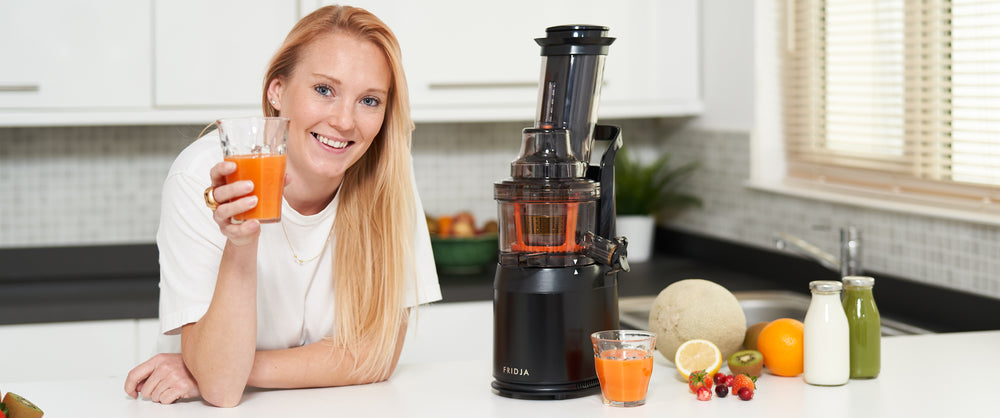


Der Unterschied zwischen dreimal wöchentlichem Entsaften und einem Entsafter, der hinten im Schrank verstaubt, liegt selten am Rezept. Es geht um den Aufbau, das Abwaschen und die Frage, ob das Frühstück sich einfacher oder plötzlich komplizierter anfühlt. Dieser Testbericht für Ganze-Frucht-Entsafter konzentriert sich auf die Details, die in einer echten Küche zählen: weniger Schneidearbeit, zuverlässige Saftausbeute und ein Gerät, das Sie morgen wirklich wieder benutzen möchten.
Ein Ganze-Frucht-Entsafter ist auf Komfort ausgelegt. Sein breiterer Einfüllschacht nimmt größere Obst- und Gemüsestücke auf, sodass Äpfel, geschälte Orangen und großzügige Gemüsestücke mit deutlich weniger Vorbereitung hineingegeben werden können. Das bedeutet nicht, dass jede Zutat im Ganzen hineingeworfen werden sollte, aber es kann eine gesunde Routine vor der Arbeit, nach dem Abholen der Kinder oder zwischendurch an einem arbeitsreichen Tag wesentlich einfacher machen.
Was ein Ganze-Frucht-Entsafter anders macht
Herkömmliche Entsafter verlangen oft, dass Sie das Obst und Gemüse vor jeder Benutzung in kleine Stücke schneiden. Ein Ganze-Frucht-Entsafter reduziert diesen Aufwand durch einen breiteren Schacht und ein langsames Zerquetsch- oder Presssystem. Anstatt sich allein auf schnelles Schleudern zu verlassen, pressen viele Modelle die Zutaten sanft aus, um Saft von Fruchtfleisch zu trennen.
Der praktische Vorteil ist nicht nur die Geschwindigkeit. Entsaften mit niedriger Drehzahl funktioniert meist gut mit einer breiten Mischung alltäglicher Zutaten, darunter Äpfel, Birnen, Gurken, Karotten, Blattgemüse und Ingwer. Es erzeugt zudem einen glatteren, weniger schaumigen Saft als viele Zentrifugen-Entsafter, wobei die endgültige Textur dennoch von der Frucht und dem verwendeten Filter abhängt.
Es gibt einen sinnvollen Kompromiss. Ein breiterer Schacht spart Zeit, ersetzt aber nicht die grundlegende Vorbereitung. Großes, hartes Gemüse muss eventuell dennoch halbiert werden, Steinobst muss immer entsteint werden und Zitrusfrüchte sollten meist geschält werden, um Bitterkeit zu vermeiden. Betrachten Sie den Ganze-Frucht-Schacht eher als Abkürzung und nicht als Freifahrtschein, darauf zu verzichten, was hineinkommt.
Testbericht Ganze-Frucht-Entsafter: Die Funktionen, die einen Vergleich lohnen
Man lässt sich leicht von Wattzahlen, glänzenden Oberflächen und langen Zubehörlisten ablenken. Überlegen Sie stattdessen lieber, wie der Entsafter in Ihren Alltag passt. Ein gut durchdachtes Gerät sollte die Saftzubereitung vom ersten Schnippeln bis zum letzten Abspülen unkompliziert gestalten.
Größe des Einfüllschachts und Sicherheit
Der Schacht ist das Hauptmerkmal. Prüfen Sie daher die nutzbare Größe, anstatt anzunehmen, dass „ganze Frucht“ bedeutet, dass alles unbehandelt hineinpasst. Eine großzügige Öffnung ist ideal für mittelgroße Äpfel, geschälte Orangen und große Stücke Sellerie oder Gurke. Das reduziert die wiederkehrende Schneidarbeit und hält den Prozess im Gang, wenn Sie Saft für mehr als eine Person zubereiten.
Sicherheit ist ebenso wichtig wie Komfort. Achten Sie auf einen sicheren Deckel, einen Stopfer zum Hineinschieben der Zutaten und ein Design, das erst arbeitet, wenn alle Teile korrekt montiert sind. Dies ist besonders in einer Familienküche nützlich, wo Geräte sowohl intuitiv als auch leistungsfähig sein müssen.
Saftausbeute und Trockenheit des Tresters
Ein guter Entsafter sollte den Trester spürbar trocken und nicht nass und schwer hinterlassen. Ein trockenerer Trester deutet meist darauf hin, dass das Gerät mehr aus den Zutaten herausholt, was bedeutet, dass Sie einen besseren Gegenwert für das frische Obst und Gemüse erhalten, das Sie jede Woche kaufen.
Die Ausbeute variiert je nach Zutat. Saftige Orangen und Gurken verhalten sich immer anders als faseriger Sellerie, Grünkohl oder Rote Bete. Achten Sie beim Lesen von Rezensionen auf Kommentare von Nutzern, die ähnliche Zutaten wie Sie verwenden. Jemand, der hauptsächlich Äpfel und Karotten entsaftet, macht unter Umständen ganz andere Erfahrungen als jemand, der jeden Morgen grünen Saft macht.
Reinigungsaufwand und abnehmbare Teile
Die Reinigung entscheidet darüber, ob ein vielversprechendes Gerät seinen Platz auf der Arbeitsfläche verdient oder verliert. Achten Sie auf Teile, die sich mühelos abnehmen lassen, eine Bürste, die den Filter richtig erreicht, und glatte Oberflächen, an denen sich das Fruchtfleisch nicht in unzugänglichen Ecken festsetzt.
Spülmaschinenfeste Komponenten können hilfreich sein, aber ein kurzes Abspülen von Hand nach jedem Gebrauch ist oft der beste Weg, um zu verhindern, dass Rückstände antrocknen. Wenn Sie einen Entsafter für den täglichen Gebrauch suchen, wählen Sie eines, das Sie in wenigen Minuten reinigen können. Ein Gerät, das hervorragenden Saft liefert, aber eine 20-minütige Reinigung erfordert, wird den meisten Routinen kaum gerecht werden.
Geräuschpegel, Stellfläche und Lagerung
Slow Juicer sind oft leiser als schnelle Zentrifugenmodelle, auch wenn kein Entsafter beim Zerkleinern von festen Karotten oder Äpfeln völlig lautlos ist. Wenn Sie in einer Wohnung leben, sich eine Küche teilen oder gerne früh entsaften, kann ein leiseres Gerät einen bedeutenden Unterschied machen.
Messen Sie vor dem Kauf auch den verfügbaren Platz. Überprüfen Sie die Höhe unter den Hängeschränken, die Tiefe der Arbeitsplatte und den Platz für Saftkrug, Tresterbehälter und Reinigungsbürste. Eine kompakte Stellfläche ist nützlich, aber nur dann, wenn sie nicht dazu führt, dass der Einfüllschacht oder der Saftbehälter für Ihren Haushalt frustrierend klein ausfallen.
Kapazität und Dauerbetrieb
Für eine Einzelperson kann ein kleinerer Saftkrug völlig ausreichen. Für Paare und Familien lohnt es sich zu prüfen, wie viel Saft der Behälter fasst und ob der Tresterbehälter mitten in einer größeren Menge geleert werden muss.
Manche Geräte eignen sich besser für ein oder zwei Gläser auf einmal, während andere problemlos eine Morgenrunde für den ganzen Haushalt bewältigen. Keine Option ist automatisch besser. Die richtige Kapazität ist diejenige, die unnötige Pausen vermeidet, ohne dass ein sperriges Gerät Ihre Küche einnimmt.
Wählen Sie den richtigen Entsafter für Ihre Art des Saftkonsums
Der beste Ganze-Frucht-Entsafter ist nicht zwingend derjenige mit dem längsten technischen Datenblatt. Es ist der, der zu Ihren Gewohnheiten passt.
Wenn Ihre Priorität schneller Saft unter der Woche ist, konzentrieren Sie sich auf einen breiten Schacht, einfache Montage und leicht zu reinigende Teile. Möglicherweise nehmen Sie ein etwas größeres Gerät in Kauf, wenn es jeden Morgen zehn Minuten Schneidearbeit spart. Wenn Sie gerne mit Sellerie, Kräutern und Blattgemüse experimentieren, suchen Sie nach einem Slow Juicer, der dafür bekannt ist, faserige Produkte gleichmäßig zu verarbeiten, anstatt nur weiches Obst schnell durchzujagen.
Für Haushalte, die zum Frühstück Orangensaft bevorzugen, ist ein automatischer Zitruspressen-Aufsatz möglicherweise die direktere Wahl. Er ist speziell für Zitrusfrüchte konzipiert, verbraucht meist weniger Platz und erspart Ihnen die Kosten für Vielseitigkeit, die Sie nicht nutzen. Ein Ganze-Frucht-Entsafter ergibt mehr Sinn, wenn in Ihrem Kühlschrank regelmäßig eine Mischung aus Obst, Gemüse, Ingwer und Grünzeug zu finden ist.
Wenn Sie wenig Stauraum haben, seien Sie realistisch, wie oft Sie das Gerät hervorholen und wieder wegräumen werden. Das komfortabelste Modell ist oft dasjenige, das zugänglich bleiben kann, optisch auf die Arbeitsplatte passt und einfach genug zu bedienen ist, ohne dass man das Handbuch erneut lesen muss.
Fragen, die Sie sich vor dem Kauf stellen sollten
Bevor Sie sich entscheiden, stellen Sie sich einen normalen Dienstag vor und keinen ehrgeizigen Gesundheitskick. Was werden Sie entsaften? Wie viele Gläser werden Sie machen? Wer wird es reinigen? Diese Antworten werden die Auswahl schnell eingrenzen.
Es hilft, bei allen Modellen, die Sie in Betracht ziehen, die folgenden Details zu prüfen:
- Die maximale Größe von Obst und Gemüse, die der Schacht sicher aufnehmen kann.
- Ob der Entsafter mit Ihren bevorzugten Zutaten gut zurechtkommt, insbesondere mit Grünzeug oder hartem Wurzelgemüse.
- Wie viele Teile direkt nach Gebrauch gewaschen werden müssen und ob eine Reinigungsbürste enthalten ist.
- Die Abmessungen, der Geräuschpegel und das Krugvolumen für Ihre Küche und Ihren Haushalt.
- Die Garantie und die Verfügbarkeit hilfreicher Kundenbetreuung, falls Sie nach der Lieferung Unterstützung benötigen.
Häufige Fehler bei Ganze-Frucht-Entsafter-Tests
Ein häufiger Fehler ist es, einen Entsafter allein danach zu beurteilen, wie wenig er zerkleinert werden muss. Der Komfort durch einen breiten Schacht ist wertvoll, aber die Reinigung, die Ausbeute und die Eignung für Ihre Lieblingszutaten werden Ihre Zufriedenheit im Laufe der Zeit viel stärker beeinflussen.
Ein weiterer Fehler ist die Erwartung, dass der Saft bei jeder Zutat identisch ausfällt. Weiche Beeren können dickflüssigere Ergebnisse liefern, während Äpfel etwas schäumen können und Blattgemüse meist langsam zugeführt werden muss. Das ist normal. Die richtige Technik ist entscheidend: Wechseln Sie weiche Zutaten mit festeren ab, vermeiden Sie ein Überfüllen des Schachts und geben Sie dem Gerät Zeit, jedes Stück zu verarbeiten.
Schließlich: Übersehen Sie den Trester nicht. Trockener Trester ist ein nützliches Anzeichen für eine gute Extraktion, kann aber auch verwertet werden. Apfel- und Karottentrester kann zum Backen verwendet werden, Gemüsetrester kann Suppen oder Bratlingen mehr Substanz verleihen und Zitrustrester kann dort, wo es möglich ist, kompostiert werden. Solche kleinen Gewohnheiten sorgen dafür, dass Sie mehr aus Ihren frischen Lebensmitteln herausholen.
Ein Ganze-Frucht-Entsafter sollte eine gute Gewohnheit erleichtern und nicht zu einer weiteren lästigen Aufgabe werden. Wählen Sie das Modell, das zu Ihrer Küche, Ihren bevorzugten Zutaten und der Zeit passt, die Sie wirklich haben, und bewahren Sie es an einem leicht zugänglichen Ort auf. Die beste Saft-Routine ist diejenige, die sich auch an einem ganz normalen Morgen noch gut anfühlt.
