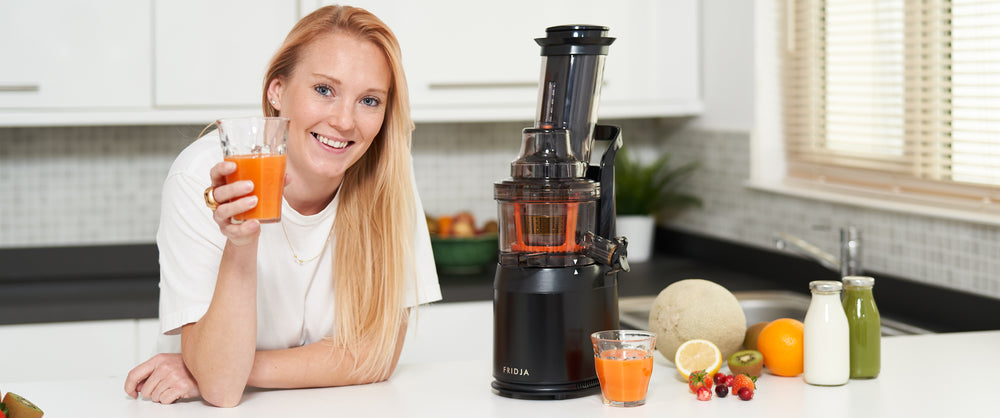


That little container of leftover carrot, apple, ginger or beetroot pulp can feel like the only messy part of an otherwise tidy juicing routine. The good news is that juice pulp recipe ideas are far easier than most people expect - and they can save money, reduce waste and stretch your ingredients further without adding much effort.
If you already make fresh juice at home, you are halfway there. Pulp is not useless residue. It still has flavour, bulk and enough texture to work brilliantly in baking, quick lunches and simple freezer-friendly prep. The trick is not treating all pulp the same. Sweet pulp behaves differently from savoury pulp, and wetter pulp needs a different approach from drier batches.
How to use juice pulp without making cooking complicated
The easiest way to think about pulp is by category. Apple, pear, carrot and beetroot pulp usually works well in muffins, pancakes and oat bars. Celery, cucumber, spinach, kale and herb pulp fits better into soups, fritters, sauces and stock. Citrus pulp is stronger and more bitter, so it is best used in smaller amounts unless a recipe is designed for it.
Moisture matters too. Pulp from a slow juicer is often drier and easier to bake with straight away. Pulp from softer produce can be much wetter, which is fine for soups or sauces but may need squeezing out slightly before it goes into cakes or fritters. You do not need perfection here. If a batter looks too loose, add oats, breadcrumbs or flour. If it looks dry, a spoonful of yoghurt, milk or egg usually fixes it.
Juice pulp recipe ideas for breakfasts and snacks
1. Carrot and apple breakfast muffins
This is one of the most reliable juice pulp recipe ideas because carrot and apple pulp already tastes like the base of a classic bake. Fold it into a simple muffin mix with flour, eggs, oil, cinnamon and a modest amount of sugar or honey. The pulp keeps the crumb soft, while chopped walnuts or raisins add texture.
These work especially well for busy mornings because they freeze well and do not feel overly sweet. If your pulp includes ginger, even better. It gives the muffins a cleaner, fresher flavour without extra prep.
2. Pulp pancakes for a quicker weekday breakfast
A handful of fruit or vegetable pulp stirred into pancake batter makes breakfast feel more substantial without becoming fussy. Apple and carrot are easiest, but beetroot also works if you do not mind a richer colour and an earthier taste.
The key is restraint. Too much pulp can make pancakes heavy, so start with a small amount and adjust from there. Serve them with yoghurt, nut butter or a drizzle of maple syrup. They are especially good when you want the benefits of juicing but still need something filling.
3. No-fuss energy bites
If turning on the oven is not happening, mix sweeter pulp with oats, ground seeds, nut butter and a little honey or dates. Roll into small balls and chill. This works best with apple, carrot or pear pulp, and it is a smart way to use up small leftover amounts that are not enough for a full recipe.
Texture is the deciding factor. If the mixture feels sticky, add oats. If it crumbles, add more nut butter. It is one of those forgiving kitchen jobs that suits real life.
Savoury juice pulp recipe ideas that actually get eaten
4. Vegetable fritters
When people say they want to use pulp more often, fritters are usually the recipe that makes it stick. Mix savoury pulp with egg, flour and seasoning, then pan-fry in small rounds until crisp on the outside. Carrot, courgette-style mixes, beetroot and leafy green pulp all work here.
You can keep the flavour simple with salt, pepper and a little garlic, or push it further with cumin, chilli flakes or grated cheese. If the pulp is wet, add chickpea flour or breadcrumbs to help it hold together. Serve with yoghurt, a poached egg or a salad and it becomes a proper lunch, not just a worthy leftover idea.
5. Soup thickener with less waste
Pulp is excellent in soups because it adds body without much extra work. Savoury pulp can be stirred into a pot of vegetable soup, lentil soup or tomato-based soup as it cooks. It blends in naturally and gives a homemade texture that feels more satisfying than a very thin soup.
This is particularly useful when your juicing routine includes celery, carrots, herbs or leafy greens. The flavours are already familiar in soup, so nothing feels forced. Just avoid adding too much bitter pulp from strong greens unless the soup has enough seasoning and richness to balance it.
6. Veggie burgers that hold together better
Homemade veggie burgers often fall apart or end up too soft. Pulp can actually help, especially when mixed with mashed beans, oats and spices. Beetroot and carrot pulp are strong choices because they bring colour and slight sweetness, while green veg pulp works better in smaller amounts.
The practical benefit is that you use what you already have while making a batchable lunch or dinner. Shape the burgers, chill them before cooking and they will firm up nicely. This is the sort of low-effort prep that pays off later in the week.
Baking with pulp is easier than it sounds
7. Loaf cakes and traybakes
If muffins feel too fiddly, a loaf cake is the easier route. Sweet pulp folds beautifully into spiced loaf cakes, especially combinations built around carrot, apple, pear or beetroot. Think of it as a shortcut to moisture and texture rather than a compromise.
A simple cinnamon loaf with apple and carrot pulp is dependable and family-friendly. Beetroot pulp suits chocolate traybakes surprisingly well, adding richness without making the cake taste of beetroot. This is one of those trade-offs worth knowing about - the more strongly flavoured the original veg, the more careful you need to be with the pairing.
8. Crackers for savoury pulp
For households that prefer practical snacks over sweet baking, pulp crackers are worth trying. Mix savoury pulp with seeds, a little flour or ground oats, salt and enough water or oil to form a spreadable mixture. Press it thinly on a tray and bake until crisp.
These are less instant than fritters, but they use up awkward odds and ends well. They are especially useful if your juicing routine creates small, mixed batches of veg pulp that do not fit neatly into one recipe. Serve them with hummus, soft cheese or soup.
9. Pulp-enriched pasta sauces and dips
Savoury pulp can be stirred into tomato-based pasta sauces, blended into hummus or mixed into a simple dip with yoghurt and seasoning. It adds body and bulk without changing the flavour dramatically, which makes it one of the quieter ways to use up what your Fridja F1900 or F2500 has left behind. For households that juice regularly, having a go-to sauce recipe for leftover pulp can become as automatic as the juicing itself.
When freezing pulp makes more sense than using it straight away
Not every juicing session needs to end with immediate cooking. In fact, one of the easiest habits is freezing pulp in small portions. Flat freezer bags or lidded containers work well, and it helps to label them by ingredient type - sweet, savoury or mixed.
This matters because random mixed pulp can be hard to use later if flavours clash. Apple-carrot-ginger is versatile. Celery-cucumber-spinach is better for soups or fritters. Orange peel-heavy pulp is best kept for recipes that can handle bitterness, or used sparingly.
If you are busy, freezing is often the most realistic choice. A useful kitchen routine should feel easier, not like another task to manage. The Fridja Portable Blender and Juicer Duo is worth considering if you want both juicing and blending covered in a compact setup, making it easier to turn frozen pulp into sauces, soups or dips later in the week without needing a separate appliance.
A few smart rules for better results
The best juice pulp recipe ideas follow a few simple principles. Use sweeter pulp in bakes and snacks. Use savoury pulp in soups, fritters and burgers. Add binders like egg, oats, flour or breadcrumbs when the mixture looks loose. Taste before cooking, especially if your juice included strong ingredients like ginger, kale or citrus.
It is also worth remembering that pulp is an addition, not usually the full base of a recipe. You will get better results by folding it into familiar dishes than by trying to build something entirely around it. That keeps the flavour balanced and the texture more predictable.
For households trying to keep routines streamlined, that is the real advantage. A good juicer already makes fresh drinks quicker and tidier. Using the leftover pulp in easy, flexible ways extends that value even further, which is very much the point of practical kitchen appliances in the first place.
The most useful approach is to start with one recipe you would genuinely make again - muffins, fritters or soup are usually the winners - and let that become part of your normal rhythm. Once pulp stops feeling like waste and starts feeling like tomorrow's snack or lunch, the whole juicing habit feels smarter.