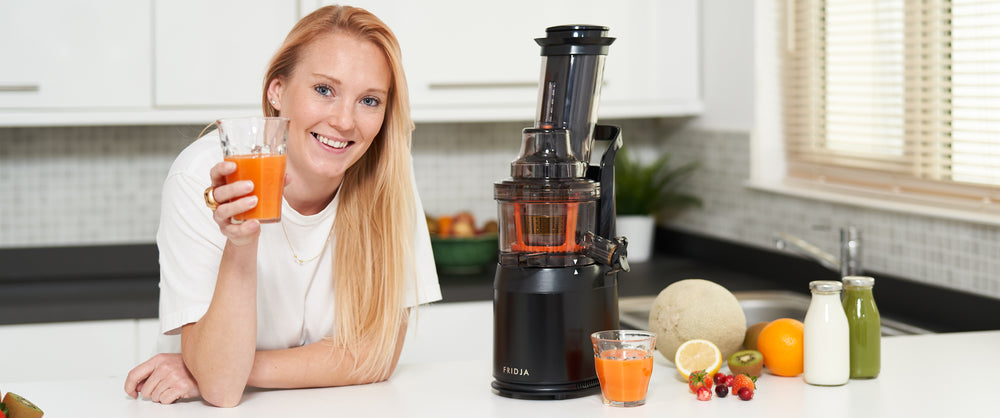


Weekend brunch is the one meal where nobody is in a rush, yet the host always seems to be. Eggs need watching, toast needs buttering and someone always asks for something that is not on the table. A jug of fresh juice is the easiest way to make the spread feel special without adding another pan to the hob.
This brunch juice recipe uses apples, carrots, oranges and a little fresh ginger. It is sweet enough for anyone who normally drinks orange juice, has more depth than anything from a carton, and takes about ten minutes to make for four people.
Apple, carrot, orange and ginger juice: the recipe
Makes roughly 900ml to 1 litre, or four generous glasses.
- 4 crisp apples
- 6 medium carrots
- 4 oranges, peeled
- A thumb-sized piece of fresh ginger
- Half a lemon (optional)
- Wash the apples and carrots well. Core the apples and trim the carrot tops.
- Peel the oranges, keeping as much of the white pith as you like. It adds body but can taste slightly bitter in large amounts.
- Juice in alternating batches: an orange, then carrot and apple, with small pieces of ginger in between so its warmth spreads evenly through the jug.
- Taste, then add a squeeze of lemon if you want a sharper finish.
- Stir and serve straight away, over ice if you prefer it cold.
Cooking for children or guests who prefer milder flavours? Halve the ginger. If you like more heat, put a small dish of grated ginger on the table so people can add their own.
Why this combination works at brunch
Each ingredient does a specific job. Apple brings natural sweetness and rounds off the earthy taste of carrot. Orange adds the fresh, familiar flavour most people expect at breakfast. Ginger stops the whole thing tasting sugary. Together they make a juice that suits almost everyone, which matters when you are feeding a table of mixed tastes.
It is also an easy shop. All four ingredients are available year round in any supermarket, and none of them needs special handling. If you have made our ABC juice before, this is a brighter, more citrus-led relation.
What to serve it with
A cold, fruity glass is the perfect contrast to rich brunch food. This juice works especially well with savoury dishes: poached eggs on sourdough, a smoked salmon and cream cheese bagel board, a full English or a simple vegetable frittata.
If your menu leans sweet, with pancakes, waffles or cinnamon buns, swap to something sharper such as grapefruit, orange and a few mint leaves. Either way, pick one juice and do it well. Offering five drinks only means more washing up and a host who never sits down. One fresh juice, plus tea, coffee and sparkling water, covers everyone.
Shop with yield in mind
Juice is only as good as the produce that goes into it. Choose firm apples without bruises, oranges that feel heavy for their size and carrots that snap rather than bend. Very soft fruit is harder to juice cleanly and gives a flatter flavour.
Buy a couple of extra apples and oranges. Brunch has a habit of growing when a friend drops by or someone wants a refill, and anything left over goes into tomorrow's juice. Oranges vary in sharpness through the year, so always taste before serving. Too tart? Another apple will soften it without making the juice overly sweet.
How to get ahead the night before
Resist the urge to juice everything the evening before. Fresh juice tastes best within a few hours of making it, and it starts to separate and lose its brightness as it sits. Instead:
- Wash the fruit and veg and keep them in the fridge, so everything is cold when you juice it.
- Put the jug, glasses and a bowl for peel and pulp out ready.
- Check your juicer is clean, assembled and next to a socket.
If you do need to make the juice an hour or two early, fill a bottle or jug right to the top, seal it and keep it in the fridge. Give it a stir before pouring. Some separation is completely normal in fresh juice.
Which juicer makes brunch easier?
A slow juicer presses fruit and veg gently rather than shredding it at high speed, which gives a smoother juice with less foam. For a busy brunch, though, the feature that saves the most time is the size of the feed chute. The narrower it is, the more chopping you do before you start.
The Fridja f2800 Open Whole Fruit Juicer has a 180mm open chute and a self-feeding hopper, so whole apples and peeled oranges go straight in. Load it, press start and get on with the eggs while it works. With a narrower chute, simply halve the apples and cut the carrots into shorter lengths. You can compare models across our juicer range.
Easy variations for different guests
Treat the recipe as a starting point. For a greener juice, swap two carrots for half a cucumber and add a handful of spinach. It is fresher and less sweet, so it suits guests who already enjoy vegetable juices.
For a softer, more familiar flavour, leave out the ginger and use red apples. For a tropical twist, replace one orange with a thick slice of pineapple. Use it sparingly, as pineapple quickly takes over.
A quick note if you are serving a mixed group: grapefruit can interact with some medicines, and a very ginger-heavy juice is not for every stomach first thing. The original recipe is the safest crowd-pleaser.
Keep clean-up quick
The real test of any brunch appliance is whether you can face cleaning it with guests waiting. Rinse the juicer parts as soon as you have poured the last glass, before the pulp dries. Two minutes under the tap now saves a long scrub later. On the f2800, the filter rinses clean in seconds.
Apple and carrot pulp can go in the compost, or you can stir it into muffins, fritters or soup. There is no need to save every scrap, though. The simpler the routine, the more likely fresh juice becomes a regular part of your weekend.
Good brunches do not depend on a packed menu or restaurant-style plating. Put out a jug of something fresh, cook food you can enjoy too, and let the morning take its time. If the juice is easy enough to make again next Saturday, it has done its job.