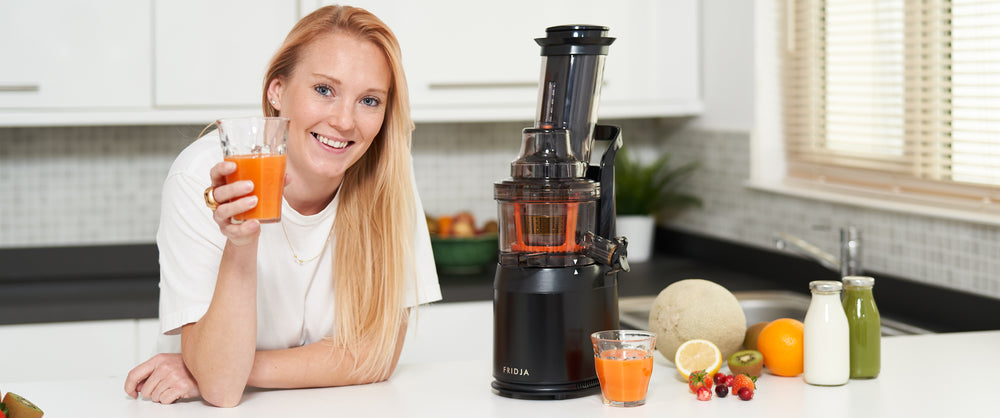


Autumn is the best time of year to start juicing in the UK. Apples and pears are at their cheapest and tastiest, beetroot and carrots are piled high at greengrocers, and a knob of fresh ginger costs pennies. If you have been wondering what to do with a fruit bowl that keeps filling up, these autumn juice recipes turn seasonal produce into something bright, warming and easy to drink.
Below you will find six recipes, a few tips on choosing produce, and some honest notes on how juice fits into a balanced diet. Every recipe works in a slow (cold press) juicer, and most of them suit a whole fruit juicer that takes apples without chopping.
Why autumn produce works so well for juice
Late-season British apples are firm and full of juice, which makes them the ideal base. They are sweet enough to balance earthier ingredients like beetroot and celery, and they help push softer fruit through the juicer. Pears add a mellow, honeyed flavour and a slightly thicker texture. Root vegetables bring colour and depth, and ginger adds heat that feels just right once the evenings draw in.
Buying in season also keeps the cost down. A bag of apples from a farm shop or market in October usually works out far cheaper per glass than shop-bought fresh juice, and you know exactly what has gone into it.
Choosing and preparing your fruit and veg
- Apples: crisp eating apples such as Cox, Braeburn, Gala or Jazz give plenty of juice. Very soft or floury apples tend to turn to purée rather than juice, so save those for crumbles.
- Pears: choose pears that are just ripe and still firm. Very ripe pears taste lovely but can make the juice thick.
- Beetroot: use raw beetroot, not the cooked vacuum-packed kind. Scrub it well, trim the root and leaves, and wear an apron, because it stains.
- Carrots: no need to peel if they are well scrubbed. Just top and tail them.
- Ginger: a thumb-sized piece is plenty for two glasses. You can leave the skin on young ginger.
- Citrus: peel lemons and oranges before juicing. The pith and peel make juice bitter.
Wash everything in cold water before you start. If your juicer has a large feed chute you can often skip most of the chopping, but cutting beetroot and very large apples in half still helps them feed smoothly.
Six autumn juice recipes
Each recipe makes roughly two small glasses. Yield always varies with the size and juiciness of your produce, so treat the quantities as a starting point and adjust to taste.
1. Classic apple and ginger
The simplest autumn juice and a good one to start with.
- 4 eating apples
- A thumb-sized piece of fresh ginger
- Half a lemon, peeled
Feed the ginger between two apples so it is pushed through fully. Taste and add a little more ginger next time if you like more warmth.
2. Pear, apple and lemon
Soft, gently sweet and very easy to drink.
- 2 firm pears
- 2 apples
- Half a lemon, peeled
The lemon stops the juice from browning as quickly and lifts the flavour of the pear. A few mint leaves fed in with the last apple make a fresh twist.
3. Ruby beetroot, apple and carrot
A deep red juice with an earthy sweetness.
- 1 small raw beetroot
- 2 apples
- 2 carrots
- A small piece of ginger (optional)
Beetroot has a strong flavour, so start with a small one. Juicing it in the middle of the batch, between apples and carrots, helps push everything through and keeps the taste balanced. Rinse your juicer parts straight after, as beetroot can tint plastic if it is left to dry.
4. Blackberry and apple
A taste of hedgerow crumble in a glass.
- A large handful of blackberries (fresh or defrosted from frozen)
- 3 apples
Soft berries give less juice on their own, so always pair them with apples. Add the blackberries first and follow with the apples to push the last of the berry juice out. If you pick your own, wash them well and check for any small insects.
5. Pear, celery and cucumber
A lighter green juice that is not too grassy.
- 2 pears
- 2 celery sticks
- Half a cucumber
- A squeeze of lime or lemon
The pear softens the savoury edge of the celery. Cut celery into shorter lengths so the fibres do not wrap around the auger.
6. Spiced apple and pear
Our pick for a chilly weekend morning.
- 3 apples
- 1 pear
- A small piece of ginger
- A pinch of ground cinnamon
Juice the fruit and ginger, then stir the cinnamon into the jug rather than putting it through the juicer. For a warm drink, heat the juice gently in a pan until it is steaming but not boiling.
How to get the most from your juicer
- Alternate hard and soft produce. Firm apples and carrots help push softer fruit and leafy bits through.
- Do not overload with fibrous veg. Celery and ginger are best fed in smaller pieces.
- Chill your produce. Fruit straight from the fridge makes juice that is ready to drink.
- Rinse straight away. A quick rinse before pulp dries makes cleaning far easier. Our guide on how to clean a slow juicer properly covers the details.
- Use the pulp. Apple and carrot pulp works well in muffins, flapjacks and soups. Here are nine ways to use juice pulp.
A juicer that suits autumn fruit
A whole fruit juicer saves a lot of time in autumn, when most of what you are juicing is apples and pears. The Fridja f2500 Self Feeding Whole Fruit Juicer is a Which? Best Buy with a 135mm feeding chute, so you can drop in whole apples, close the lid and let it feed itself while you get on with breakfast. It presses slowly at around 50RPM, runs quietly, and is designed with fewer parts to clean. It also makes nut milk and fruit sorbets, which is handy once the apple season is over.
If you would rather load fruit through an open top, the f2800 Open Whole Fruit Juicer has a 180mm open chute and comes with a sorbet attachment. You can compare both in our juicer range, or read our guide to choosing the best kitchen juicer.
How long does fresh juice keep?
Fresh juice tastes best on the day you make it. Store any leftovers in a sealed glass bottle or jar, filled to the top to limit contact with air, and keep it in the fridge. Fridja's guidance for juice made in the f2500 is up to 72 hours in an airtight container in the fridge, although the colour and flavour will slowly change. Adding a little lemon helps apple and pear juices stay fresher looking. Juice also freezes well in ice cube trays, which is useful for adding to smoothies later.
Juice and a balanced diet
Fresh juice is a tasty way to enjoy more fruit and vegetables, but it is not a replacement for eating them whole. NHS guidance is that fruit juice, vegetable juice and smoothies count as a maximum of one of your 5 A Day, and that you should keep your total to 150ml a day. Juicing releases the natural sugars from fruit, so it is best enjoyed with a meal rather than sipped throughout the day.
A good habit is to lean on vegetables. Recipes like the beetroot and carrot or the pear and celery juice above use less fruit, and you can top up a small glass with sparkling water to make it go further. Juice will not detox your body, but as part of a varied diet it is a pleasant way to make the most of seasonal produce.
Make it part of your week
Autumn juicing works best when it is simple. Buy a bag of apples, a few pears and some roots at the weekend, keep ginger in the freezer, and you have everything you need for several mornings. If you want a plan to follow, our weekly juicing routine walks through shopping, prep and storage for a busy household.