

Every autumn the same thing happens. You buy a pumpkin for soup, a recipe, or a bit of Halloween fun, use a third of it, and the rest sits on the worktop looking at you. A medium pumpkin is a lot of food, and most of it is perfectly good to eat: the flesh, the seeds and even the stringy bits around them. This guide covers practical leftover pumpkin recipes that use up every part, from a bright autumn juice to a simple soup and crunchy roasted seeds, plus what to do with the pulp once you have juiced it.
First, which pumpkin can you actually eat?
Before you start, a quick safety check. Not every leftover pumpkin belongs in the kitchen.
- Cooking pumpkins and squash such as Crown Prince, Kabocha, Delica and butternut have dense, sweet flesh and are ideal for juice, soup and roasting.
- Carving pumpkins are edible but more watery and less sweet. They are fine for soup and juice if they are fresh and uncut, or were cut within the last day and kept in the fridge.
- Carved lanterns that have sat out for days, held a candle or started to soften should go in the compost or food waste bin, not the pot. Warm, cut flesh left at room temperature is a good place for mould and bacteria.
- Ornamental gourds are for decoration only. Do not eat them.
If the flesh is firm, smells fresh and has no soft or mouldy patches, it is good to use. Wrap cut pieces tightly and keep them in the fridge for up to five days, or peel, cube and freeze them for later.
How to prepare leftover pumpkin
A few minutes of prep makes everything else easier, especially if you are juicing.
- Scoop out the seeds and strings into a bowl. Keep them: the seeds become a snack and the strings can go into stock or soup.
- Peel the skin with a sturdy peeler or a sharp knife. Pumpkin skin is tough and is best removed before juicing.
- Cut the flesh into chunks about the size of a large apple wedge. Hard vegetables juice more smoothly in smaller pieces than in big slabs.
- Split it three ways: some for juice, some for soup and some for the oven. Roughly 500g of flesh is enough for two glasses of juice, and 1kg makes a good pot of soup for four.
Pumpkin juice: a sweet, mellow autumn glass
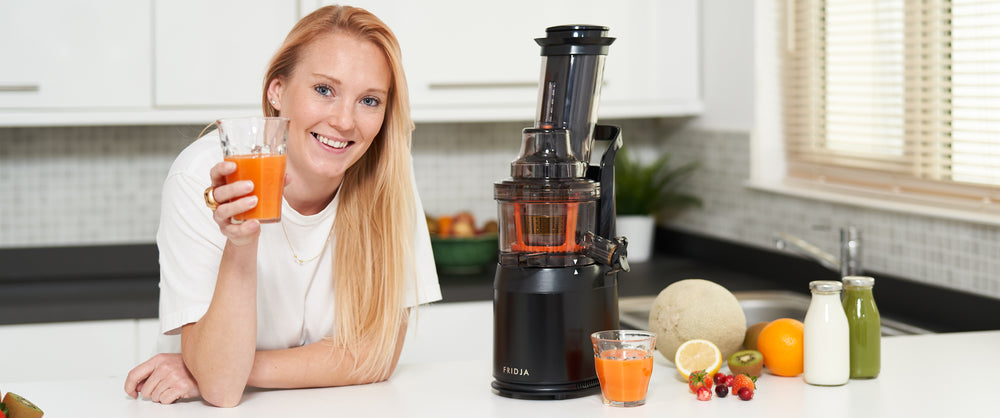
Raw pumpkin on its own tastes mild and slightly earthy, a little like carrot. It shines when you pair it with sharp or sweet fruit. A slow juicer suits pumpkin well because it presses rather than shreds, and dense vegetables are exactly what it is built for. The Fridja f2500 Self Feeding Whole Fruit Juicer, a Which? Best Buy, handles hard vegetables like carrots and beetroot, and its 135mm hopper means you can load the apples whole and let it feed itself while you prep the next batch.
Pumpkin, apple and ginger juice (makes 2 glasses)
- 300g peeled pumpkin, in chunks
- 3 sweet apples, such as Gala or Braeburn
- 1 orange, peeled
- A thumb of fresh ginger
- A pinch of ground cinnamon, stirred in at the end
Feed in the ginger first, then alternate pumpkin with apple so the softer fruit helps carry the denser pumpkin through. Finish with the orange. Stir, add the cinnamon and serve over ice. The colour is a lovely deep amber.
Pumpkin, carrot and pear juice (makes 2 glasses)
- 250g peeled pumpkin
- 3 carrots
- 2 ripe pears
- Half a lemon, peeled
This one is softer and rounder, good for anyone who finds ginger too punchy. Ripe pears add natural sweetness, so there is no need for honey or syrup.
If you have a lot of pumpkin to get through, the f2800 Open Whole Fruit Juicer has a 180mm open chute, the widest in the Fridja range, so you can drop in whole apples and pears alongside your pumpkin chunks with very little chopping. For more seasonal ideas, see our autumn juice recipes and our guide to beetroot juice, which pairs well with pumpkin too.
A note on expectations: pumpkin juice is a tasty way to enjoy a vegetable you might otherwise waste, and pumpkin flesh is a source of beta carotene, which the body converts to vitamin A. Juicing does remove most of the fibre, though, so think of a glass as a treat alongside your meals rather than a replacement for eating vegetables. Fresh juice keeps in a sealed container in the fridge for up to 72 hours. Our tips for getting the best yield from a self-feeding juicer are worth a read before you start.
Do not bin the pulp
Juicing pumpkin, apple and carrot leaves you with a bowl of fine, dry pulp. It is full of fibre and flavour, and it is easy to use:
- Stir it into soup to thicken it. Two or three tablespoons per bowl adds body without changing the flavour much.
- Bake it into muffins or a loaf. Swap up to a third of the grated carrot or banana in your usual recipe for pumpkin pulp.
- Add it to porridge or overnight oats with a little cinnamon and a spoon of yoghurt.
- Mix it into burger or fritter mixtures with an egg, some flour and grated cheese.
- Freeze it in small portions in an ice cube tray if you cannot use it straight away.
Anything left over can go in the compost. Our article on nine ways to use juice pulp has more ideas.
Simple leftover pumpkin soup
Soup is the most forgiving way to use up a lot of pumpkin at once, and it freezes well.
Ingredients (serves 4)
- 1kg peeled pumpkin, cubed
- 1 onion and 1 carrot, chopped
- 2 cloves of garlic
- 1 litre vegetable or chicken stock
- 1 teaspoon ground cumin or a little curry powder
- A splash of cream or a spoon of yoghurt to serve
Method
- Soften the onion and carrot in a little oil for 8 minutes, then add the garlic and spice for a minute more.
- Add the pumpkin and stock, bring to a simmer and cook for 20 to 25 minutes until the pumpkin is completely soft.
- Blend until smooth, season with salt and pepper, and loosen with a little water if it is too thick.
- Serve with a swirl of cream or yoghurt and a scattering of roasted pumpkin seeds.
For a deeper flavour, roast the pumpkin cubes first until the edges caramelise, then add them to the pan. Leftover soup keeps in the fridge for three days or in the freezer for up to three months.
Roasted pumpkin seeds: the best part
Pumpkin seeds are the snack most people throw away. They take very little effort.
- Rinse the seeds in a sieve and pull away as much of the stringy flesh as you can.
- Dry them well on a clean tea towel. Dry seeds roast crisp, damp seeds steam.
- Toss with a teaspoon of oil and a pinch of salt, plus smoked paprika, cumin or a little cinnamon and sugar for a sweet version.
- Spread in a single layer and roast at about 160 to 170°C for 15 to 20 minutes, shaking halfway, until golden and crunchy.
An air fryer oven is handy here because the fan dries and crisps the seeds evenly. The f77 Super Oven Pro lets you set the temperature in 5°C steps, so you can keep the heat gentle and stop the seeds catching. If you are hosting this month, our Halloween party food ideas pair nicely with a bowl of spiced seeds.
One more idea: pumpkin seed milk
All Fridja slow juicers make nut milk, and the same idea works with hulled pumpkin seeds (the green pepitas sold in bags, rather than the seeds you scoop out of your pumpkin). Soak 100g overnight, rinse, then feed through the juicer a little at a time with about 750ml of fresh water. Add a date or a drop of vanilla if you like it sweeter. It has a mild, nutty flavour and a pale green colour, and keeps for two to three days in the fridge.
A simple plan for one leftover pumpkin
If you have half a pumpkin and want to use it all this week, try this:
- Day one: scoop and roast the seeds. Peel and cube the flesh.
- Day one or two: juice 300 to 500g with apples and ginger for a weekend breakfast. Save the pulp.
- Day two: make a pot of soup with the rest of the flesh, stirring in some of the pulp. Freeze half.
- Day three: bake the remaining pulp into muffins.
That is one pumpkin turned into juice, soup, a snack and a bake, with almost nothing wasted. If you are thinking about a juicer for autumn and winter produce, browse the full Fridja juicer range to compare the f2500 and f2800 side by side.